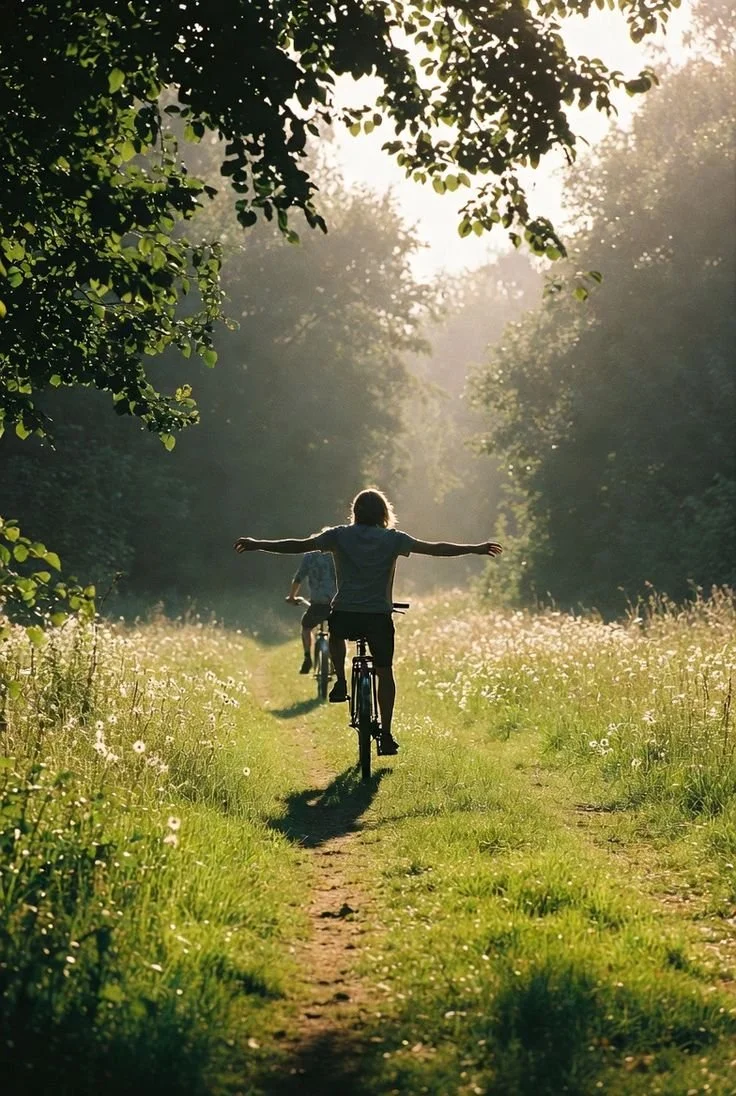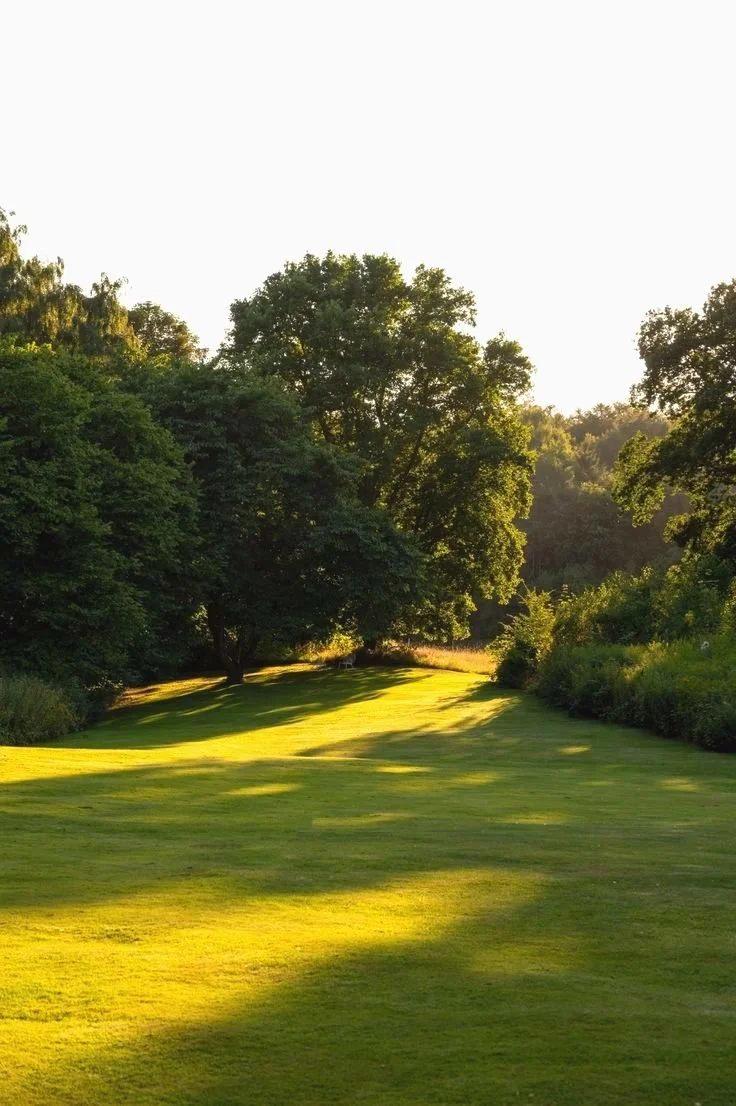
Imagine walking out of your front door on a Saturday morning and going down to the park. Not a grass verge between two housing estates, not a concrete walkway alongside a road, but a real park: green, wide, and full of life.
A tree-lined walkway where older residents take their morning walk and younger ones run past them. Benches where people sit, sip on coffee and catch up. A picnic area, a playground, allotments where neighbours grow things together, and pitches where a GAA game is already starting. Sections left deliberately wild, managed for biodiversity, giving insects, birds and small mammals the habitat that disappears when land is built over. And running along the edge of it all, the Three Trouts river, clean and unhurried, protected from development.
This could be
Our Park
This is a resident-led campaign to get land within Greystones returned to the community as a town park: for the families who live here now, and for the generations who will grow up here long after us.
Join us by signing up to stay updated!
Building the Town We Want for Our Families.
Greystones is, by any measure, a town that people want to live in. We were named most liveable community in 2008 and again in 2021. We are a town of dog walkers and joggers, of families on Sunday strolls and community sports clubs, of yoga groups and sea swimmers, of people who value their neighbours and their community. We are nestled between the magical Wicklow Mountains and the gleaming Irish sea.
We are proud of our town and want to see it remain a place that values the quality of life of its residents. We are also growing - fast. We’ve gone from 22 000 residents in 2022 to about 26 000 today. And we’re projected to keep growing: our ideallic setting and DART access means that our community is prime real estate for the ever growing Dublin.
Yet, Greystones lacks the green infrastructure that a town of its size and ambition deserves. Houses keep going up, but appropriate infrastructure isn’t following. This isn’t just about being connected to the grid, or having proper roads - this is also about making sure that our town remains a pleasant place for kids to grow up, and adults to relax, and elders to retire to. A place that prioritises clean air, connection to nature, preservation of local biodiversity, and space for leisure.
Our Big Green Problem
The Local Area Plan process has upzoned large amounts of land in Greystones, increasing housing density. That is necessary to address the housing crisis, but it has a cost: there is no reliable mechanism to secure parks or community benefit unless it is negotiated with private developers. Developers are in the business of building and selling homes. Every square metre set aside for community use reduces their margin. That is not a criticism. It is simply how development works. We cannot rely on this system to deliver the parks its growing population needs.
The budget figures make the problem worse. The Greystones Municipal District accounts for 31 per cent of all population growth in County Wicklow since 2016, yet its share of the county budget has remained fixed at 12 per cent. Greystones generates the highest Local Property Tax receipts in Wicklow and receives the lowest level of services in return.
The consequences are visible across the town. Sports clubs are at capacity. Community groups are struggling to find space to meet. We are all increasingly pushed up into the mountains to find some peace and quiet surrounded by nature. Research consistently links access to parks and green spaces to better physical and mental health. Yet the open space available to residents has not grown alongside the town itself.
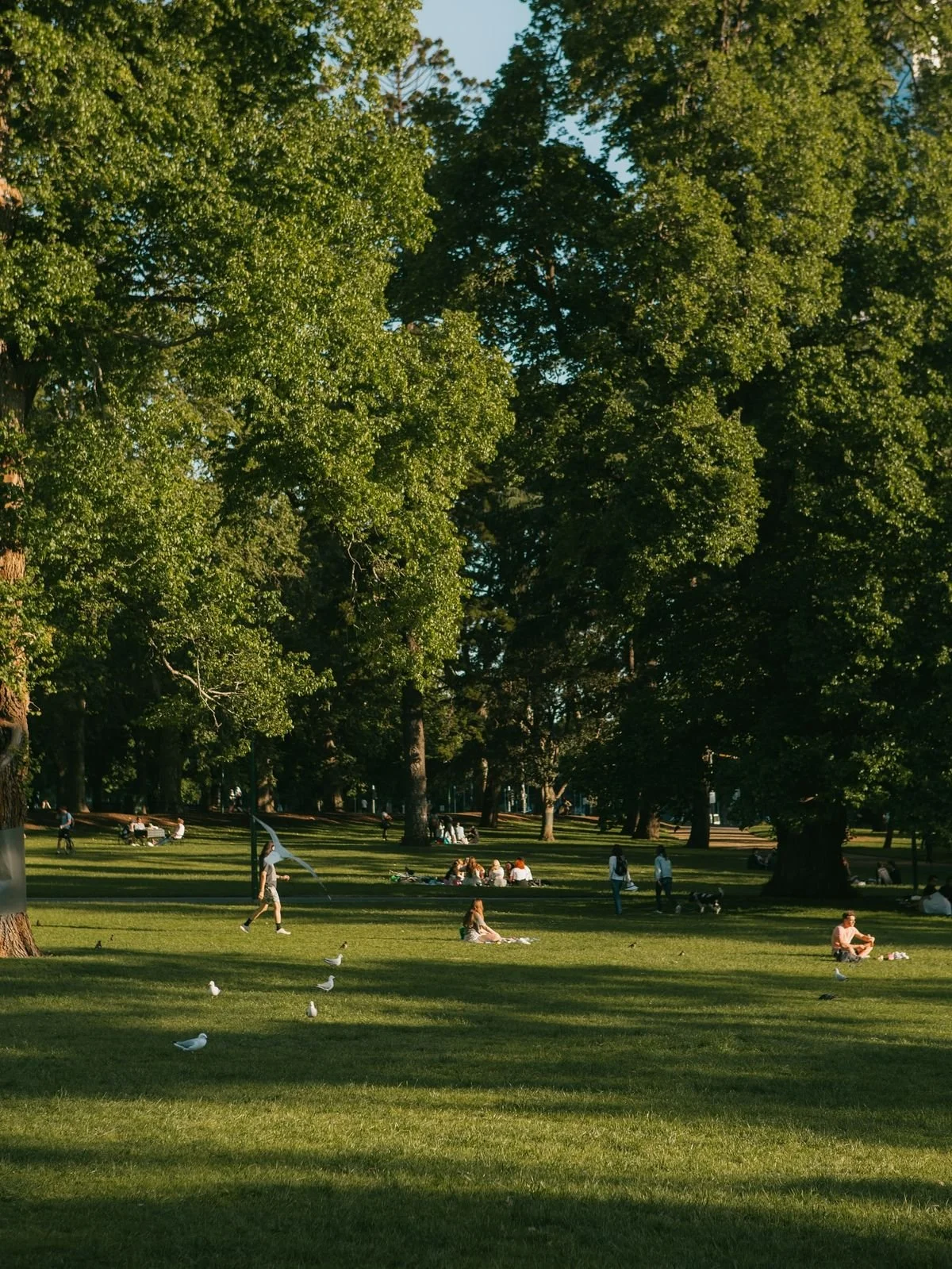
The former Charlesland Golf Course or the film studio are large plots of accessible land that could become the town park Greystones has never had.
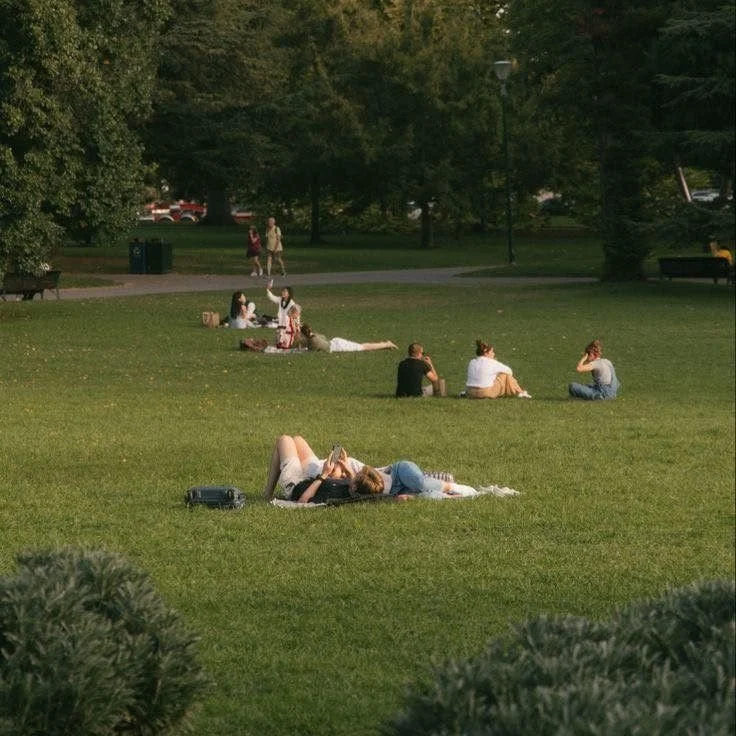
A town park of this scale would change daily life in Greystones in ways that are immediate and lasting.
It would give children somewhere to play, freely and safely, away from roads and screens. I would give sports clubs room to grow, to train and o welcome new members. It would give older residents somewhere calm and green to spend time, to walk at their own pace, to sit in the open air and remain part of community life. It would give every family in the town, somewhere to walk, to meet and to sit outside together, regardless of income or mobility,
Large green spaces with mature trees clean the air, absorb rainfall, reduce urban heat and support biodiversity in ways that extend far beyond the park’s boundaries. They create the conditions for complex ecosystems to thrive, benefiting surrounding farmland, hedgerows and garden patches across the town and beyond.
A park of this kind also creates space for the kinds of community events that bring us all together, and strengthen the social fabric of a town: markets, music, club gatherings, informal moments of connection that aren’t plan, but just happen when there is a common space for people to share. These are the spaces, and the moments, that add to a place’s intrinsic quality and make it somewhere people aspire to live.
Access to green space shouldn’t be a luxury. Research clearly shows the benefits of time spent outdoors: it supports mental health by reducing stress and improves physical well being across age groups. For a growing town under increasing pressure, a park like this is essential infrastructure for community life, not just leisure.
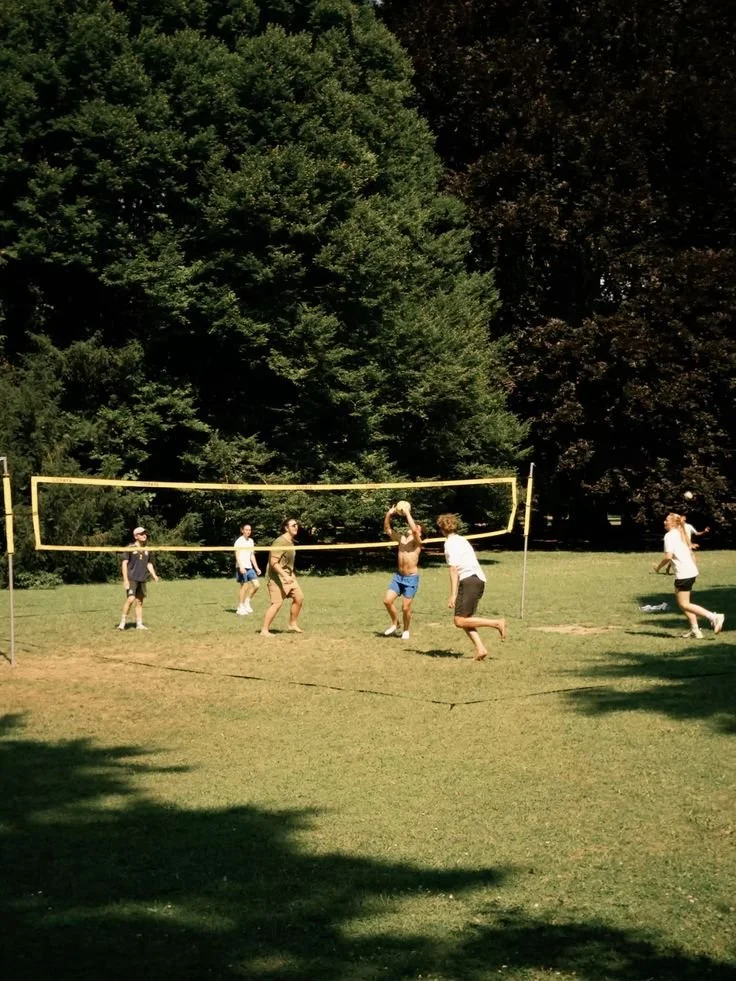
This is not a speculative proposal. The land exists, it is available, and it sits within the town. The question is whether it is secured now, while that is still possible, or lost to development.
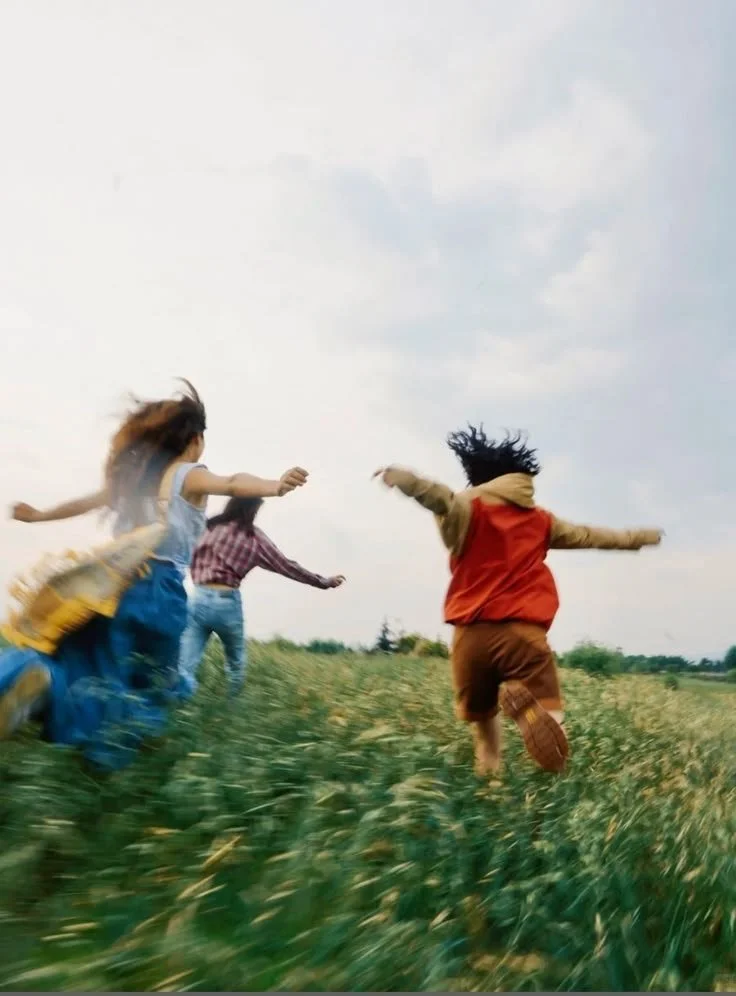
The decisions a community makes about its shared spaces say something about what it values, and the standard it has for its residents’ way of life. To protect this land for the community, rather than surrender it to development, is to make a statement about the kind of place we want Greystones to be. This is an opportunity to get it right, and not look back in years to come and wonder why someone didn’t think of it.
The alternative is a legacy of grass verges between housing estates, sports pitches at the edge of a dual carriageway, and a town that grew without ever securing the green heart it needed. That is not a fate we will readily accept. This campaign is asking for a decision that will be felt for generations.